· 5 min read
Why Summer Heat Is Hard on Your Brakes (And What to Do)
Targets local drivers searching about brake performance in hot weather, a high-intent seasonal concern that drives shop visits in June and July.
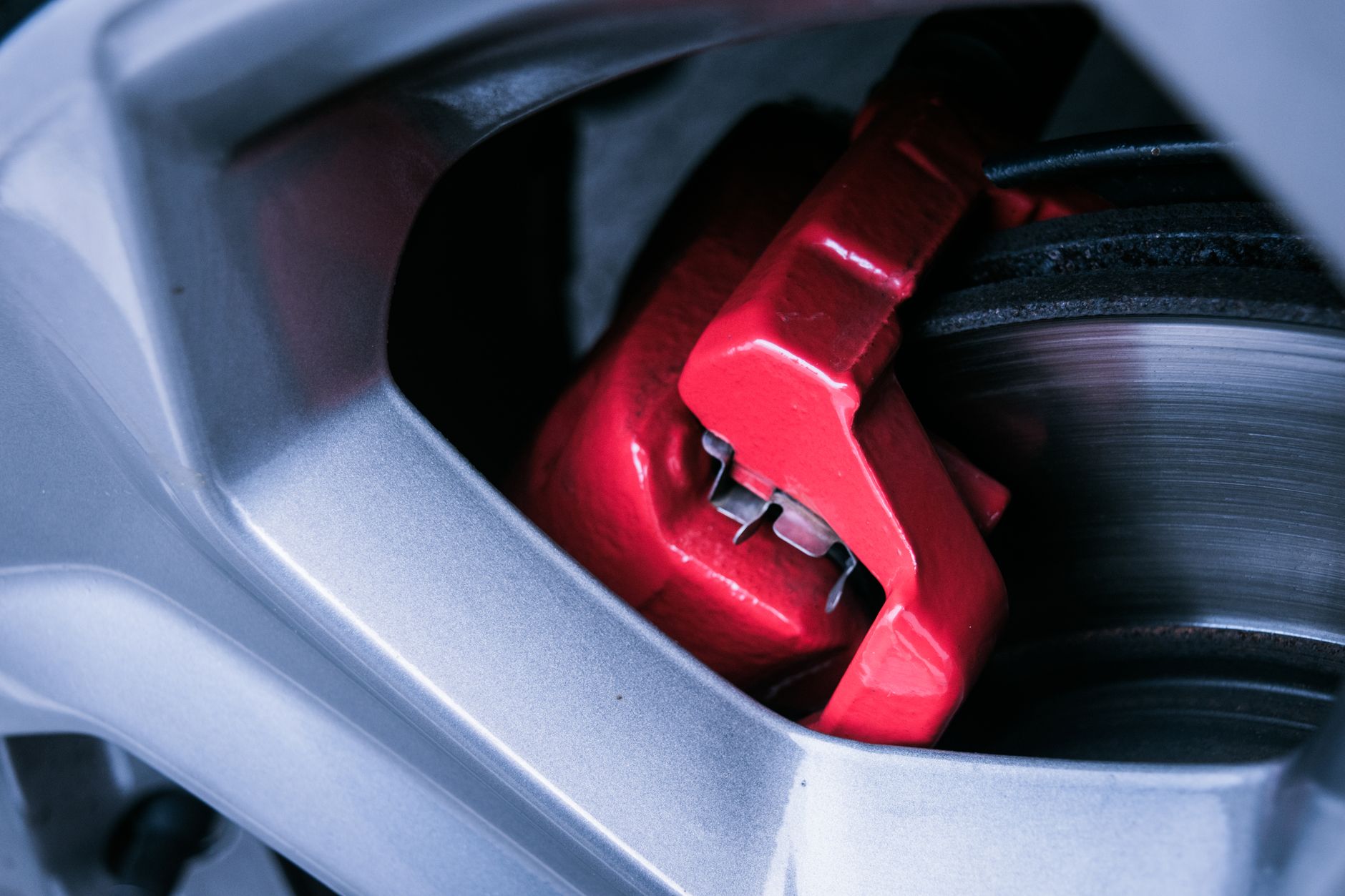
Summer 2026 is shaping up to be another scorcher, and while most drivers think about sunscreen and hydration, your vehicle’s braking system deserves some serious attention too. Heat is genuinely one of the toughest conditions your brakes face all year, and understanding why can help you stay safer on the road. A summer brake inspection isn’t just a good idea — it’s a smart seasonal habit that experienced drivers don’t skip.
How Heat Affects Your Braking System
Every time you press the brake pedal, your brakes convert kinetic energy into heat through friction. That process works beautifully under normal conditions, but summer temperatures add a baseline layer of thermal stress before you even leave the driveway. When ambient temperatures climb into the 90s and 100s, the components under your vehicle — especially brake rotors, pads, and calipers — can reach temperatures that accelerate wear significantly faster than in cooler months.
Brake fade is one of the most common heat-related issues drivers notice in summer. It happens when your brake pads get so hot that their friction material loses grip, making the pedal feel soft or less responsive than usual. City driving, stop-and-go traffic, and highway speeds all contribute to this problem. If your brakes have felt a little “mushy” lately, summer heat could easily be the reason.
The Role of Brake Fluid in Summer Performance
Brake fluid is hygroscopic, meaning it absorbs moisture from the air over time. As the moisture content rises, the fluid’s boiling point drops. In summer heat, that combination can lead to vapor lock — a condition where the fluid partially vaporizes inside the brake lines, seriously compromising stopping power.
This is one reason a thorough summer brake inspection always includes a look at your brake fluid. Old or contaminated fluid can look fine to the naked eye but perform poorly when temperatures peak. Fluid testing and a flush when needed can make a noticeable difference in how confidently your vehicle stops, especially during long summer drives or towing situations.
Pads, Rotors, and Calipers — The Heat Triangle
Your brake pads and rotors work as a team, and when one is worn or warped, the other suffers too. Summer heat can cause rotors to warp more readily if they were already thinning from normal use. Warped rotors are responsible for that familiar steering wheel shimmy when you apply the brakes — a sign worth taking seriously.
Calipers can also stick or seize more easily in high heat, especially if the rubber boots that protect the caliper pistons have dried out or cracked over time. A seized caliper can cause uneven braking, pull the vehicle to one side, or keep the pads pressed against the rotor even when you’re not braking — all situations that create unnecessary heat and wear. During a summer brake inspection, a qualified technician checks caliper function alongside pad thickness and rotor condition.
Warning Signs Worth Knowing
You don’t have to wait for a problem to become dramatic before addressing it. Some signs are subtle enough to miss if you’re not paying attention. Here’s what to watch for heading into the summer months:
- Squealing or squeaking when you apply the brakes, especially in the morning before components warm up
- Grinding sounds that suggest metal-on-metal contact
- Vibration or pulsing through the pedal or steering wheel
- A longer stopping distance than what feels normal for your vehicle
- The brake warning light illuminating on your dashboard
Any one of these signals is worth a professional look. Catching brake wear early generally means a simpler, more straightforward repair than waiting until multiple components need attention.
Why Summer Specifically Matters for Brake Health
Spring and early summer driving often follows months of cold-weather stress on your vehicle. Road salt, temperature fluctuations, and wet conditions from winter and spring can leave brake hardware in a weakened state right before summer heat pushes it harder. The combination of accumulated wear and rising temperatures creates a window where brake problems tend to surface.
Jake’s Auto Repair handles brake repair alongside a full range of domestic and foreign vehicle services, so a summer brake inspection can be rolled into your regular factory maintenance visit if you’re due for a 30K, 60K, or 90K service interval. Addressing multiple systems at once is a practical approach that many drivers appreciate.
Making Summer Driving Safer
Smart summer driving also means giving your brakes a little extra thought in how you use them. Maintaining a greater following distance on highways reduces how hard you have to brake. Avoiding “riding” the brakes on long downhill stretches lets them cool between applications. These habits work together with regular professional inspections to extend the life of your braking system.
A summer brake inspection is one of the most practical seasonal checks a driver can do before peak summer road trips and daily heat stress take their toll. The team at Jake’s Auto Repair is ready to take a close look at your system and help you understand exactly where things stand.
Related
- Learn more about Brakerepair.
- Read next: Isyourcaracblowingwarmairwhattocheckfirst.
Ready to get started?
Call Jake’s Auto Repair today at 602-246-4900 — we’ll get you booked and taken care of.
- summer_brake_inspection
- auto